Swiss Festival Timings Reshaping Casino Bonus Alignments with Live Equine Wager Fluctuations
Geschrieben von Dana Braun · 26.8.2026
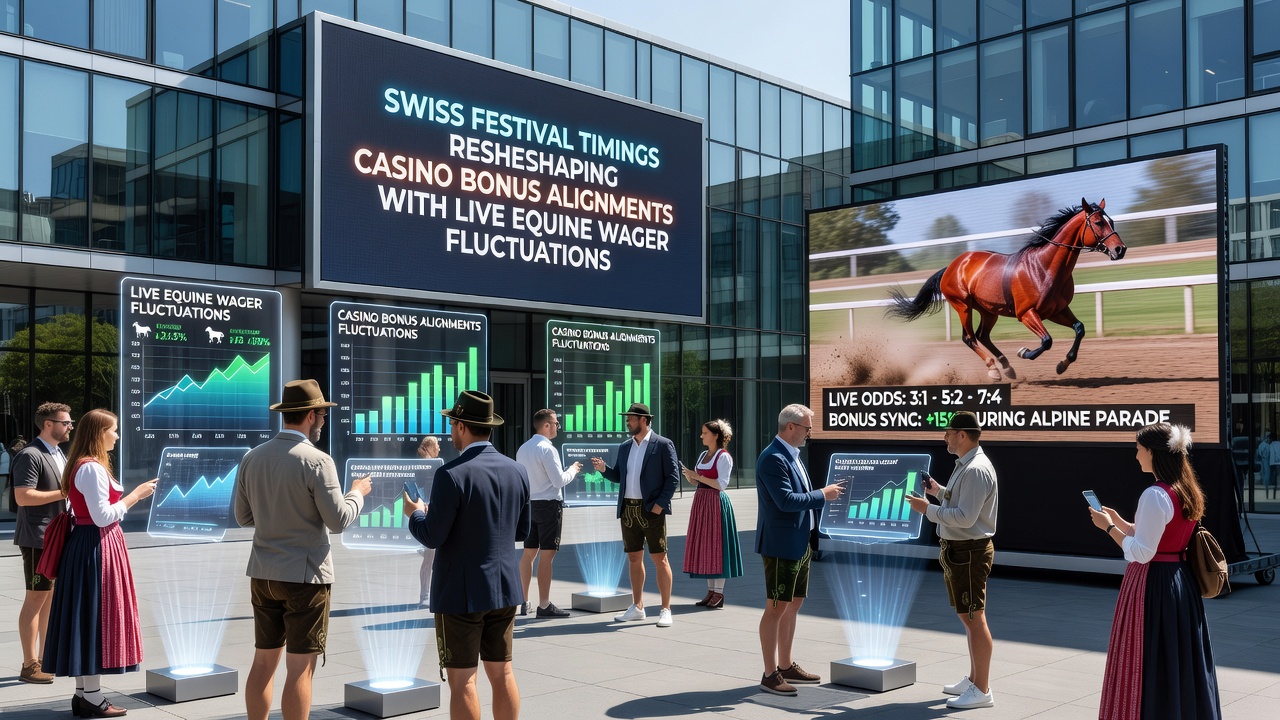
Swiss Festival Timings Reshaping Casino Bonus Alignments with Live Equine Wager Fluctuations
Swiss festivals scheduled across multiple cantons continue to influence how operators adjust casino bonus structures in relation to live equine wager activity, and data collected from regional platforms shows measurable shifts in bonus eligibility windows during peak event periods. Observers note that summer gatherings, including those planned for August 2026 in locations such as Interlaken and St. Moritz, generate concentrated periods of higher transaction volume that prompt operators to recalibrate bonus alignment parameters with real-time horse racing odds feeds. These adjustments occur because festival calendars create predictable spikes in participation, which in turn affect the timing of bonus releases tied to live bet fluctuations on platforms that integrate casino and equine markets.
Festival Calendars and Regional Betting Patterns
Annual events such as the Swiss National Horse Festival and various alpine community celebrations draw large crowds whose wagering behavior extends beyond traditional trackside betting into integrated online environments, and records from Swiss regulatory filings indicate that these gatherings coincide with increased use of live odds interfaces for equine wagers. Operators respond by modifying bonus terms so that casino promotions activate or expire in closer sync with the opening and closing of major races, which reduces mismatches between bonus availability and actual market movement. Research from the Swiss Federal Office of Justice highlights how cantonal licensing requirements encourage operators to document these timing changes, ensuring bonus structures remain compliant while accommodating the volume surges that festivals produce.
Live equine wager fluctuations intensify when festival schedules overlap with international racing calendars, and operators track these overlaps through automated systems that monitor betting velocity in real time. During such periods, bonus alignments shift toward shorter activation windows or higher wagering thresholds because the underlying data shows elevated volatility in odds movements. Those who monitor platform metrics report that equine markets experience sharper price adjustments when festival attendees place combined casino and racing bets, prompting operators to realign promotional mechanics accordingly.
Bonus Mechanics and Equine Market Integration
Casino bonus systems in Switzerland operate under strict federal and cantonal rules that require transparent disclosure of terms, and operators have begun embedding equine wager data feeds directly into bonus calculation engines to maintain alignment during festival windows. This integration allows bonus credit releases to respond automatically to fluctuations in live horse racing markets, such as sudden changes in starting prices or in-play odds adjustments. Figures released by the European Gaming and Betting Association reveal that platforms using synchronized data feeds experience fewer compliance queries when festival-driven volume increases, because the bonus parameters adjust proportionally to observed market activity.
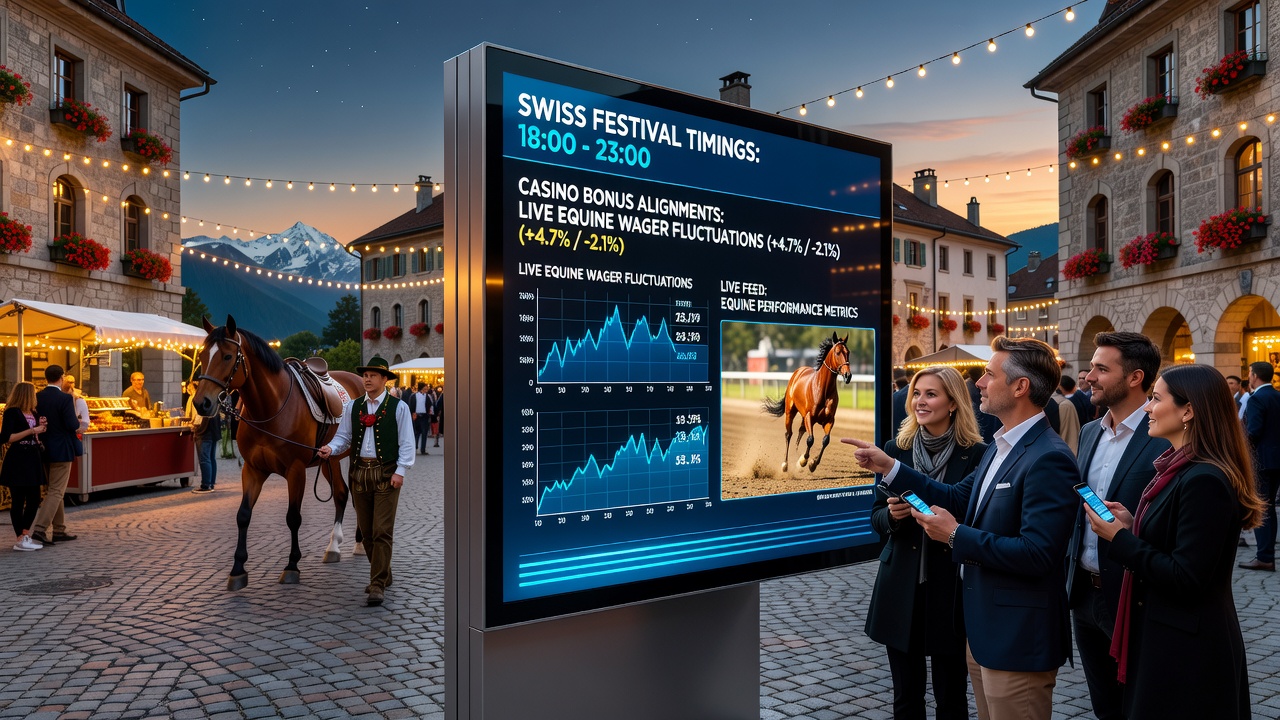
Equine wager platforms record distinct patterns when festivals extend into evening hours, and bonus alignments then extend their eligibility periods to cover later race cards that attract additional participation. Operators achieve this by linking bonus rollover requirements to specific race meeting times rather than fixed calendar dates, which accommodates the variable schedules that Swiss events often follow. Studies conducted by academic researchers at the University of Zurich on gambling behavior during cultural festivals demonstrate that participants who engage with both casino and equine products during these periods show higher retention when bonuses remain responsive to live market conditions.
Data Trends and Operational Adjustments
Platform analytics from the first half of 2026 already indicate that bonus redemption rates rise when aligned with festival-timed equine events, and operators continue to refine their models to predict these correlations with greater precision. The reality is that live wager fluctuations become more pronounced during multi-day festivals because attendee numbers compound across consecutive race meetings, and bonus systems must therefore recalibrate thresholds to prevent overexposure. Regulatory filings submitted to cantonal authorities document these recalibrations, providing transparency around how festival timings factor into promotional design.
Operators also examine cross-market correlations between casino game activity and equine odds movements, and they adjust bonus structures when data shows that festival participants transfer funds between product types at higher frequencies. This cross-product behavior leads to tighter integration of bonus triggers with equine market feeds so that promotions remain relevant throughout the event duration. Observers note that such adjustments occur most visibly in August when several major Swiss festivals coincide with international horse racing fixtures, creating extended windows of elevated activity that operators must manage through dynamic bonus parameters.
Conclusion
Swiss festival timings exert a measurable influence on how casino operators structure and time bonuses in relation to live equine wager fluctuations, and ongoing data collection from licensed platforms confirms the pattern across multiple event cycles. Regulatory frameworks require operators to maintain transparent alignment mechanisms, while technical integrations allow bonus systems to respond directly to market movements during festival periods. As August 2026 approaches with its scheduled events, operators continue to refine these alignments based on accumulated performance metrics from prior seasons.